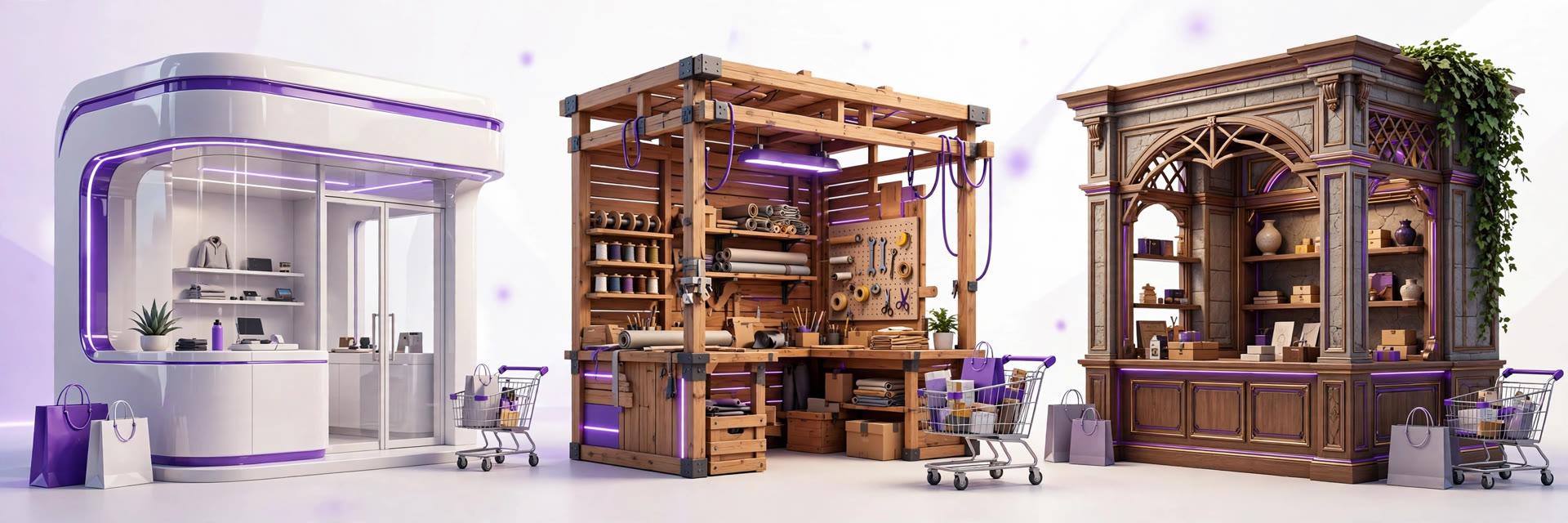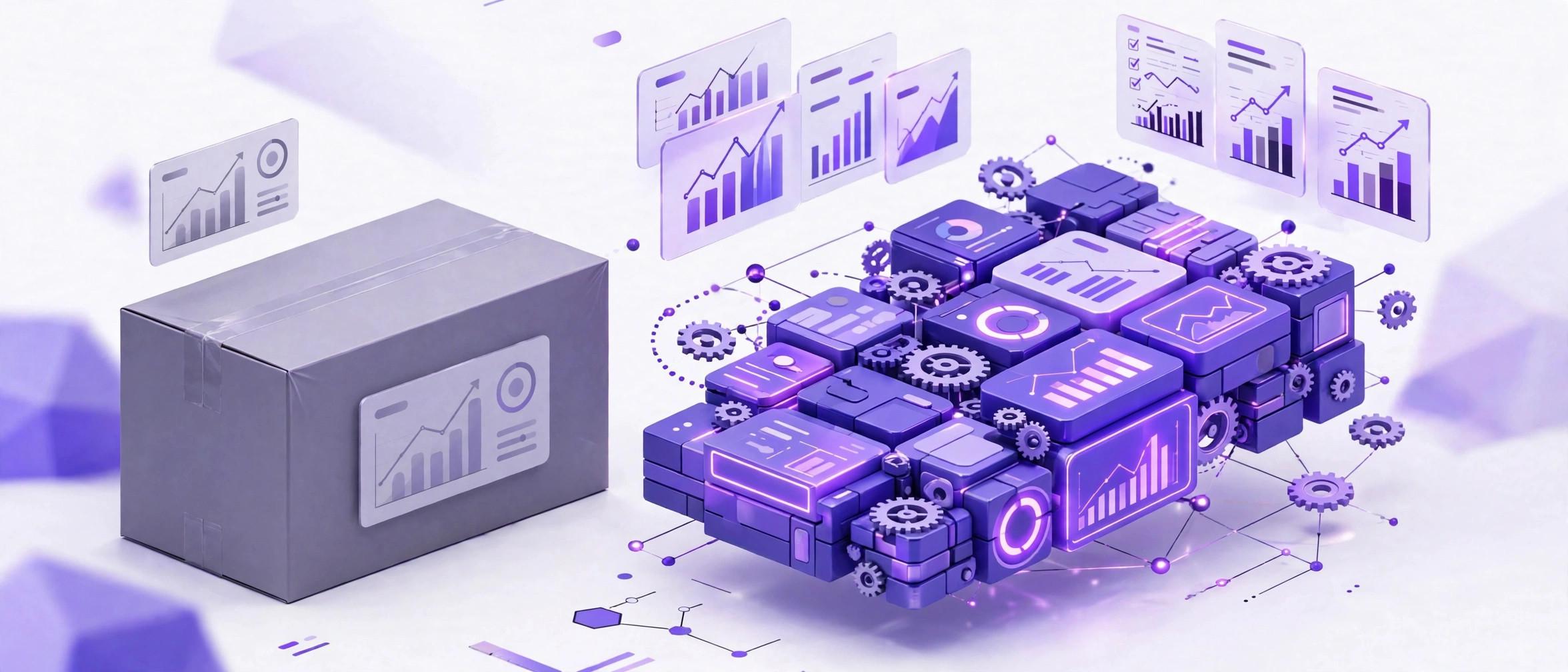
Every growing business reaches the same fork in the road. The spreadsheets are creaking, the team is copying data between tools, and someone asks the question: should we buy software that already exists, or build our own? Both answers can be right. The expensive mistake is choosing by habit, by headline price, or by whatever a salesperson demonstrated last. This guide compares the two honestly: what each really costs over time, how well each fits your business, and the situations where each one clearly wins.
What the two options actually mean
Off-the-shelf software is a ready-made product sold to many businesses: accounting platforms, CRMs, booking systems, project tools. You pay a subscription, usually per user per month, and you start using it within days. Custom software is designed and built for one business: yours. A custom software development team builds exactly the workflows, screens and integrations you need, and you own the result. Most businesses use both, off-the-shelf for standard jobs and custom for the work that makes them different. The decision is rarely either-or; it is about which jobs deserve which treatment.
The real cost over time
Off-the-shelf wins the first year easily. A subscription starts at a small monthly fee, while a custom build is a real upfront investment. But subscriptions are rent, and rent compounds. Per-seat pricing grows with every hire, higher tiers gate features you should not have to ransom, and the five-year total for a mid-size team often surprises the people who signed up at the starter price. Custom software flips the shape: a larger cost at the start, then modest hosting and maintenance, with no per-seat tax on growth. As a rough planning rule, if a tool will sit at the center of your operations for five years or more and your team keeps growing, run the five-year subscription total before assuming ready-made is cheaper. If the need is short-term or small, the subscription wins and it is not close.
Fit: your process or theirs
Ready-made software is built for the average business in your industry, which means it fits nobody exactly. Your team adapts: fields ignored, workarounds invented, one spreadsheet kept on the side for the part the tool cannot do. Sometimes that is a fair trade. Sometimes the process being bent is the very thing that wins you customers: a faster quote, a smarter schedule, a service step competitors cannot copy. Software you build follows your process exactly, because it is designed from it. The honest test is simple: is this process a commodity, or is it part of why customers choose you? Commodity processes should be bought. Signature processes are candidates for building.
Scalability and change
Off-the-shelf tools scale on the vendor's terms. They handle more users easily, but new capabilities arrive on the vendor's roadmap, not yours, and feature requests from thousands of other customers outrank yours. Integrations are limited to what the vendor offers. Custom software scales on your terms: features are added when your business needs them, integrations go wherever your stack goes, and performance is engineered for your volumes. The trade is responsibility. A vendor's product improves whether you pay attention or not; your own software improves when you invest in it, which is why most owners pair a build with maintenance and support rather than treating launch as the finish line.
Maintenance, security and ownership
With off-the-shelf software, the vendor handles updates, security patches and uptime, and that convenience is real. In exchange, you accept their changes, their price rises and their right to retire features, or the whole product. Your data lives in their system, and leaving means an export, a migration and retraining. With custom software, you own the code and the data, nobody can raise your rent or sunset your core tool, and security is built to your requirements. The cost of that control is that updates and security become your responsibility, handled by your own team or your development partner. Neither model is safer by default; they simply place the risk in different hands.
When off-the-shelf wins
Choose ready-made when your need is standard and well served: payroll, basic accounting, email marketing, a simple CRM for a small team. Choose it when you need to start this week, when your process is still changing too fast to freeze into a build, or when the tool sits at the edge of your business rather than the center. Buying first is also a good way to learn: a year on a ready-made tool teaches you exactly which features matter, which makes any later custom build far better scoped.
When custom software wins
Choose custom when the process is a competitive advantage, when your team wastes hours bridging tools that do not talk to each other, when per-seat costs have grown with your headcount, or when your customers need an experience no vendor sells: a portal, a configurator, a workflow that is recognizably yours. Custom also wins when off-the-shelf has already failed you once and the workarounds have quietly become a second job for your staff. Many of our clients arrive at exactly that point, and the first step is rarely a full rebuild; it is a scoped MVP that proves the core workflow before the budget grows.
The middle path most businesses actually take
The smartest answer is often staged. Start with off-the-shelf to move fast and learn. Connect your tools with automation so the seams stop hurting. Then build custom software only for the workflow where the fit matters most, keeping the commodity tools around it. This keeps the upfront risk low and aims the investment at the one place it compounds. A short discovery sprint is designed for exactly this decision: map the processes, price both routes honestly, and leave with a plan you own either way.
How to decide: five questions
- 1Is this process standard across our industry, or is it part of why customers pick us?
- 1What does the ready-made option cost over five years, at the team size we expect to reach?
- 1How many hours a week do workarounds and double entry currently cost us?
- 1How much change is coming: new services, new locations, new types of customer?
- 1If the vendor raised prices or closed tomorrow, how exposed would we be?
Your answers usually point one way. Standard process, small team, low workaround cost: buy. Signature process, growing team, hours lost every week: build, starting small.
Talk it through before you commit
Enjoyed this guide? Add The Hitek Agency as a preferred source on Google